
Contract disputes in Orange County often stem from unclear language, mismatched expectations, or shifting business conditions. These conflicts can drain resources and damage relationships if not handled strategically.
We at Raul Garcia Law Firm know that contract dispute negotiation tips make the difference between a costly battle and a resolved agreement. The right approach-combined with clear communication and realistic boundaries-helps you protect your interests and move forward.
What Triggers Contract Disputes in Orange County
Vague Language Creates Costly Misinterpretations
Vague contract language remains the leading cause of disputes in Orange County business deals. When terms like delivery timeline, payment schedule, or scope of work lack precise definitions, parties interpret them differently-and those interpretations collide when something goes wrong. A vendor might define “expedited delivery” as two weeks; the buyer expects five days. Neither party breached the contract; they simply read it differently from the start.
Objective language tied to measurable benchmarks prevents these collisions. Instead of writing “competitive pricing,” specify a price range or reference an industry standard rate. Instead of “prompt payment,” state payment due within 30 days of invoice receipt. Orange County businesses that invest time in clarifying ambiguous terms during the drafting stage avoid costly disputes later.
Incomplete Communication Breeds Misaligned Expectations
Misaligned expectations between parties often emerge from incomplete communication during the deal-making process. One party assumes performance includes additional services the other never promised; another expects exclusivity that was never discussed. These gaps widen when business circumstances shift unexpectedly.
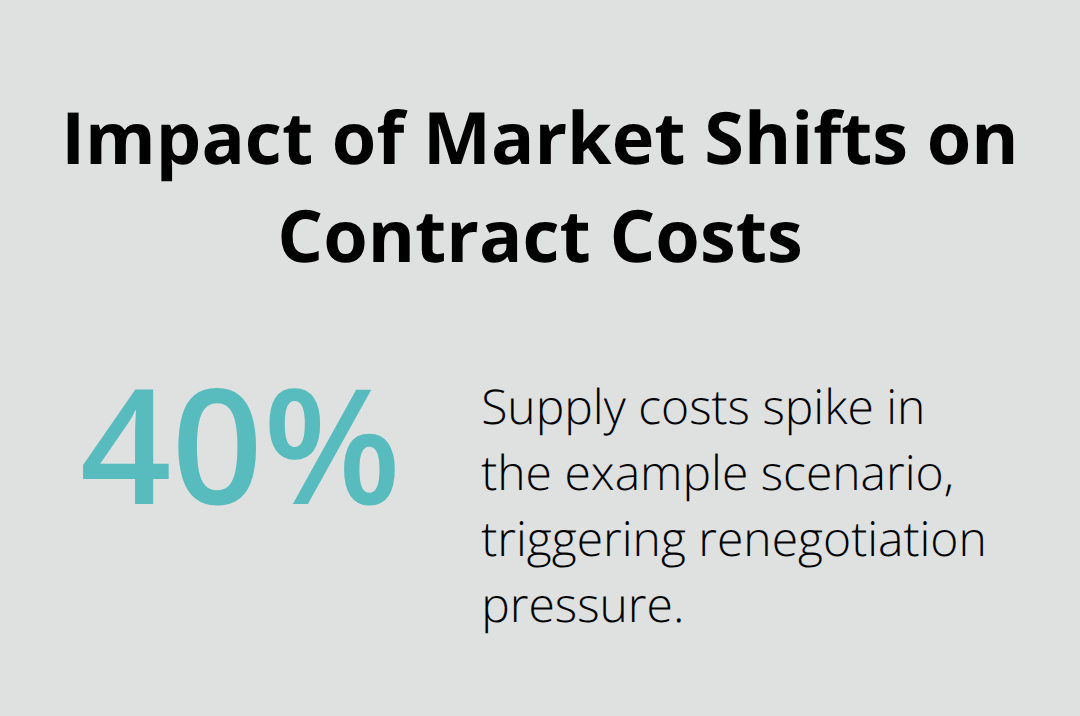
Market downturns force renegotiation, staffing changes alter project timelines, or regulatory shifts make original terms unworkable. A construction contractor agrees to materials pricing based on 2024 rates; six months later, supply costs spike 40 percent, and the contractor demands adjustment. The buyer refuses, citing the fixed-price contract. Both parties feel wronged because neither anticipated the market shift or negotiated a price-adjustment clause upfront.
Documentation Strengthens Your Negotiating Position
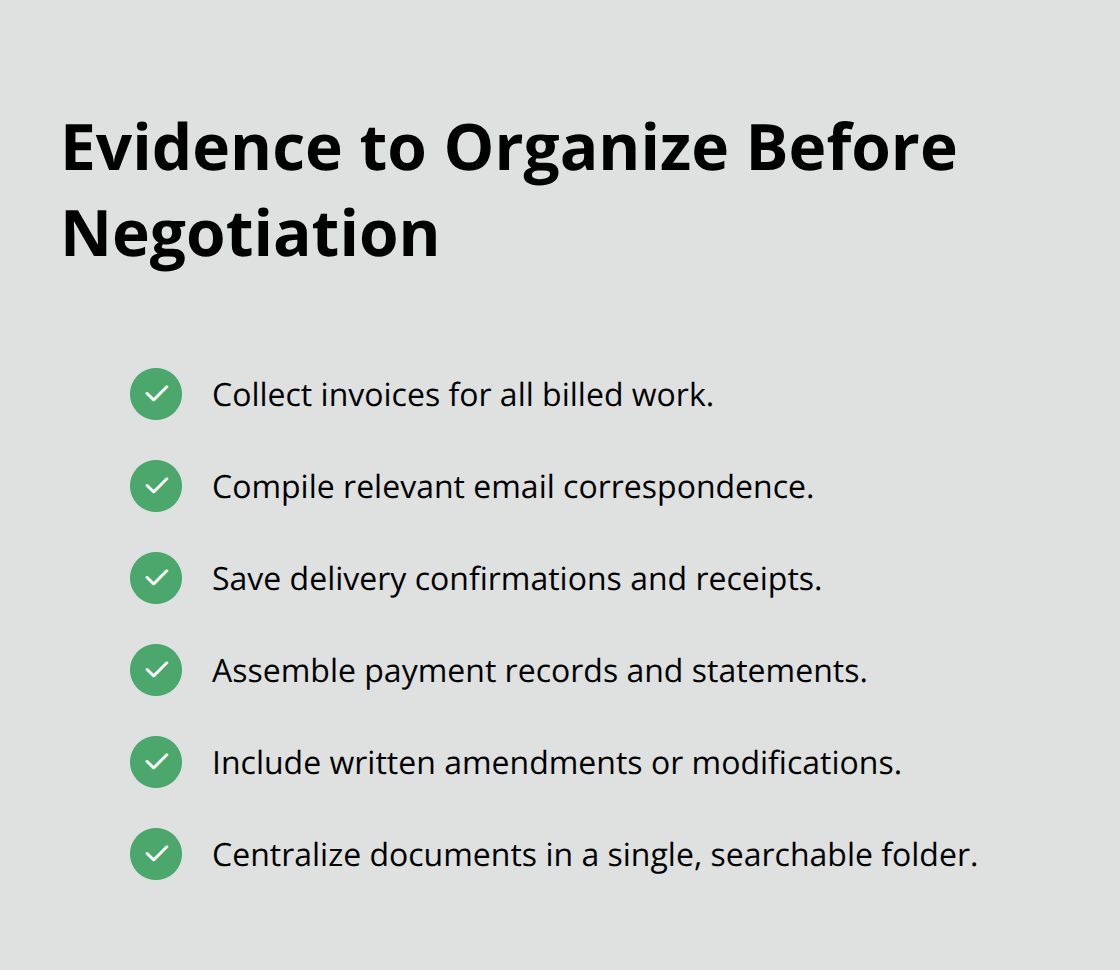
Clear documentation of what each side will deliver, when, and under what conditions protects your interests. Collect invoices, delivery receipts, emails confirming scope changes, and payment records before disputes arise. When negotiations stall, this evidence becomes your foundation for settlement demands and, if necessary, litigation.
Orange County businesses that track performance and communications in real time preserve their strongest negotiating position. This organized record transforms vague recollections into concrete facts that support your claims. With documentation in hand, you move into negotiation from a position of strength rather than uncertainty-and that shift often determines whether you secure favorable terms or accept unfavorable ones.
How to Negotiate Orange County Contract Disputes Successfully
Organize Evidence Before You Sit Down at the Table
Negotiation in Orange County contract disputes requires a structured approach grounded in concrete facts rather than assumptions or emotional positioning. Start by organizing every piece of evidence before sitting down with the other party. Gather invoices, emails, delivery confirmations, payment records, and any written amendments or modifications to the original agreement. This documentation becomes your negotiating foundation-it transforms vague claims into measurable facts that shift the conversation away from he-said-she-said territory.
When you present a demand letter or settlement proposal backed by dated evidence and specific dollar amounts, the other party recognizes you’ve done the work and takes you seriously. Orange County businesses that walk into negotiations unprepared typically accept unfavorable terms because they lack the factual ammunition to push back. The moment you produce an invoice dated March 15 showing non-payment plus a follow-up email from June 2 requesting payment, you’ve moved from opinion to proof. This shift changes the entire dynamic.
Define Your Walk-Away Point With Brutal Honesty
Before negotiations begin, you must define your walk-away point with brutal honesty. What is the minimum acceptable outcome? If you’re owed $50,000, does settling for $35,000 work, or does the math fail? If the other party refuses to perform, will you accept partial performance or revised timelines, or must you terminate the agreement? Write this number or outcome down-don’t keep it vague in your head.
You also need to understand what the other party values most. If they’re desperate to avoid litigation because they lack cash flow, a structured payment plan might appeal more than a lump-sum demand. If they fear reputational damage or losing your future business, emphasize those stakes during negotiation. This knowledge shapes which concessions matter and which ones cost you nothing to offer.
Focus on Underlying Interests, Not Opening Positions
Interest-based negotiation means you focus on what each party actually needs, not the positions they initially stake out. A supplier might demand price increases; their underlying interest is staying profitable. You might propose volume commitments or extended payment terms that improve their cash flow without raising your costs.
A buyer might refuse delivery delays; their underlying interest is meeting their own customer deadlines. You might offer expedited shipments for specific orders while extending timelines for others. This approach typically uncovers solutions that positional haggling never finds. Orange County contract disputes settle faster when both parties feel heard and when solutions address real constraints rather than just splitting the difference.
When you move past the stated demands and identify what truly matters to each side, you create room for creative solutions. The supplier cares about cash flow stability more than the exact price per unit. The buyer cares about predictable delivery windows more than the specific shipment dates. Once you recognize these underlying interests, you can structure terms that satisfy both parties without either side feeling defeated.
Prepare Structured Concessions That Cost You Little
Advance preparation of concessions-especially those the other party values but which carry minimal cost to you-strengthens your negotiating position. Better payment terms, delivery flexibility, or extended contract duration might matter greatly to them while requiring little sacrifice from you. These concessions become your trading chips when discussions stall.
You also gain leverage by highlighting relational incentives beyond monetary terms. Testimonials, referrals, or joint ventures can be as influential as price adjustments in long-term partnerships. When the other party sees potential for future business or market visibility, they often accept terms they would otherwise reject. This relational dimension transforms a one-time dispute into an opportunity to build a stronger working relationship moving forward.
When to Bring Legal Representation Into Orange County Contract Negotiations
Financial Stakes Determine When You Need Counsel
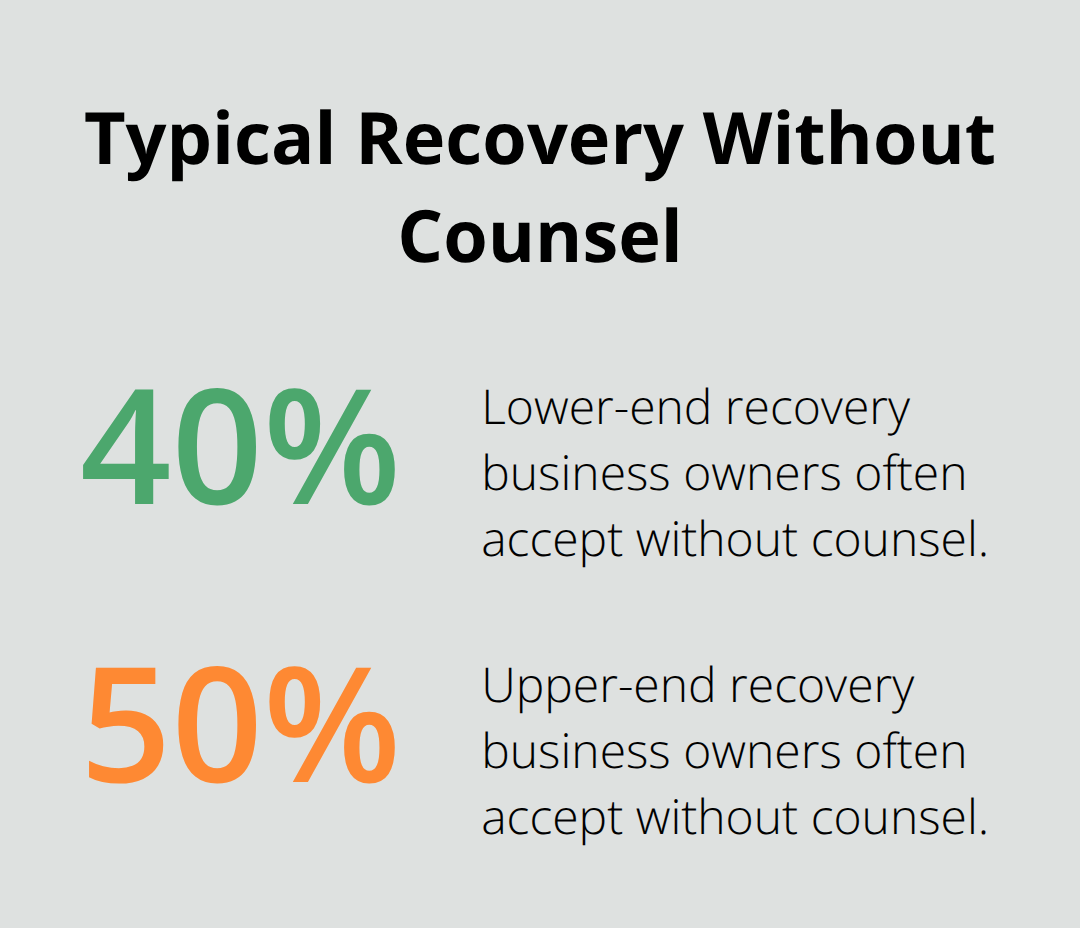
Most Orange County businesses attempt to resolve contract disputes without legal counsel, and many succeed when disputes involve modest sums and straightforward facts. The moment financial stakes climb above $25,000, the calculus shifts dramatically. Handling negotiation alone at that level exposes you to costly mistakes-accepting settlements worth far less than your claim, missing leverage points, or agreeing to terms that create new problems downstream. Business owners often settle for 40 to 50 percent of what they could have recovered because they lack the tactical knowledge to press their advantage during negotiations. The cost of an attorney frequently pays for itself within the first negotiation session when they identify overlooked claims or reframe your position to secure better terms.
Multi-Party Agreements Require Strategic Navigation
Complex multi-party agreements amplify negotiation risk exponentially. When your dispute involves a general contractor, subcontractors, suppliers, and a property owner-each with different obligations and exposure-the negotiation becomes a three-dimensional chess game that requires mapping dependencies and identifying which party holds the real leverage. A single misstep in how you sequence negotiations or prioritize claims can collapse your entire strategy. The interconnected nature of these disputes means one party’s concession affects another’s position, and without careful coordination, you sacrifice leverage without gaining equivalent value in return.
Emotional Tension Demands Neutral Advocacy
Emotional tension between parties, particularly in partnership disputes or situations where personal relationships have deteriorated, makes objective negotiation nearly impossible without a neutral advocate. When tensions run high, your presence in the room often escalates conflict because the other party reads personal offense into your words. An attorney’s presence reframes the conversation as a business problem requiring a business solution, which shifts the dynamic toward settlement. They translate emotional conflict into factual claims, separate personal grievances from legal remedies, and keep discussions focused on outcomes rather than blame.
Early Legal Involvement Shapes Your Strategy
The decision to bring legal representation into Orange County contract negotiations should arrive early, not after you’ve already made concessions or locked yourself into a weak negotiating position. Early involvement allows counsel to review your documentation, identify your strongest claims, and shape your negotiation strategy before you sit down with the other party. This advance preparation transforms how you present your case and which concessions you offer-positioning you for a substantially better outcome than reactive legal involvement after damage has already occurred.
Final Thoughts
Contract dispute negotiation tips work only when you apply them consistently and back them with solid preparation. Most Orange County contract disputes settle before litigation becomes necessary, but only when parties approach negotiation with structure and realistic expectations. The businesses that secure favorable terms organize evidence before negotiating, define their walk-away point with clarity, and focus on underlying interests rather than opening demands.
Vague language, misaligned expectations, and poor documentation create disputes; clear communication, organized evidence, and interest-based negotiation resolve them. The difference between a settlement that protects your interests and one that leaves you shortchanged often comes down to how thoroughly you prepared and whether you recognized when to bring in outside perspective. Early legal involvement shapes your strategy and strengthens your negotiating position before you sit down with the other party.
If you’re facing a contract dispute in Orange County, the time to act is now. Delays weaken your position and allow the other party to entrench their stance. Contact Raul Garcia Law Firm to discuss your situation, review your documentation, and develop a negotiation strategy that protects your financial interests and minimizes disruption to your business.