

Most Orange County business disputes get resolved through compromise. But sometimes, aggressive negotiation litigation is the only language that gets results.
We at Raul Garcia Law Firm have seen firsthand how taking a hard line-when done strategically-forces the other side to move. The question isn’t whether to be aggressive, but when and how to do it without destroying your position.
When Aggressive Negotiation Actually Works in Orange County Business Disputes
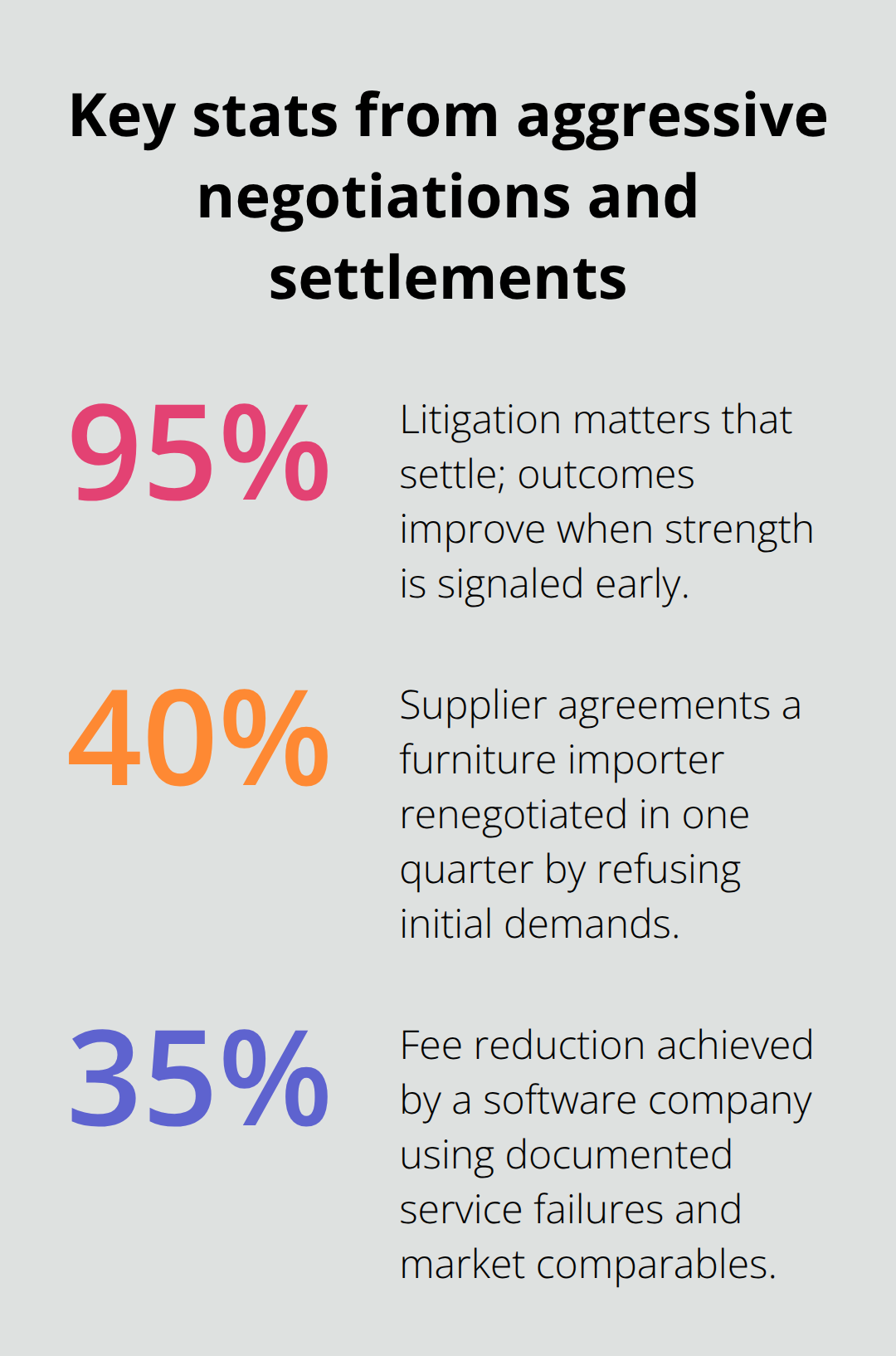
Aggressive negotiation isn’t a default strategy-it’s a response to specific circumstances where the other side respects only pressure. In commercial disputes, you’ll encounter parties who stall, make unreasonable demands, or test whether you’ll accept terms that undermine your business. The moment you signal willingness to walk away or escalate to litigation, behavior shifts dramatically. This happens because most business disputes involve asymmetric information and conflicting assessments of risk. When one side believes you’ll accept anything to avoid court costs, they’ll demand more. When you demonstrate you’ve calculated the cost of litigation and prefer it to a bad deal, negotiations change immediately. The data supports this: over 95 percent of litigation matters settle, but they settle on better terms when the initiating party has clearly signaled strength early. Your credible BATNA-your best alternative to negotiated agreement-becomes your actual leverage.
If you haven’t genuinely analyzed whether trial makes financial sense, you have no leverage at all.
Recognizing When Hardball Moves Signal an Opportunity
Some Orange County business disputes feature opponents using take-it-or-leave-it offers, extreme opening demands with minimal concessions, or commitment tactics claiming they lack authority to negotiate further. These aren’t signs you should capitulate; they’re invitations to respond with equal firmness. When someone claims limited authority, bring decision-makers to the table or test their claim by proposing alternatives that address both sides’ actual interests. When they anchor with an extreme demand and move glacially, counter with your own clear goals and BATNA, then make balanced, reciprocal progress only when they do. Most companies treat these tactics as immovable walls rather than theater. They’re not. A furniture importer renegotiated 40 percent of supplier agreements in one quarter by refusing to accept initial demands and proposing structured cost-pass-through formulas tied to tariff indices. That aggressive stance wasn’t rude; it was informed and backed by documentation. You need the same foundation: cost analyses, comparable market terms, expert opinions, and a timeline showing when you must resolve the issue. Timing matters enormously. If the other side faces a hard deadline-a fiscal year-end, a contract expiration, a regulatory filing-and you don’t, you hold genuine leverage.
Building Leverage Through Preparation and Information
Aggressive negotiation without preparation is just noise. Over 80 percent of negotiation outcomes are determined before talks begin, according to research on negotiation strategy. That means your team must map what the other side values, what they fear losing, and what alternatives they actually have. Open-ended questions-what are your constraints, how does this affect your business, what would make this deal work for you-reveal far more than assumptions. You must document everything: contract language, email exchanges showing bad faith, communications proving they misrepresented facts, timelines showing delays they caused. Documentation becomes your anchor for fair, objective criteria. When you reference market precedent, expert valuations, or established contract standards, you depersonalize the negotiation and make it harder for them to dismiss your position as arbitrary. Information asymmetry cuts both ways. If they know you need this resolved urgently but you don’t know their constraints, they’ll exploit that. If you understand their business pressures and they underestimate yours, that advantage shifts to you. Understanding not just the legal issues but the financial and operational realities driving each side’s behavior determines whether aggressive negotiation will work and where it will break down. Without that insight, you’re just posturing-and the other side will call your bluff.
Turning Information and Timing Into Negotiating Power in Orange County
The most effective aggressive negotiators in Orange County commercial disputes control three things: when talks happen, what information surfaces first, and who feels pressure to move. Walking away isn’t a bluff-it’s a credible signal that you’ve run the numbers and a bad deal costs more than litigation. When you articulate exactly what settlement terms make financial sense and what doesn’t, the other side stops testing your limits. This works because most Orange County business owners and their counsel underestimate their own leverage. They assume the other party holds all the cards, so they concede early and often. The opposite is true when you’ve genuinely calculated your BATNA. If you know litigation will cost $150,000 in legal fees but resolve in your favor 70 percent of the time based on comparable cases, you know any settlement above that expected value is a loss. When you communicate that threshold clearly-not as a threat but as a business fact-negotiations shift. The other side must either beat your expected value or face trial. Many disputes settle faster when the defending party realizes the plaintiff has done this math and will follow through.
How Timing Amplifies Your Negotiating Position in Orange County
Timing amplifies this effect dramatically. If you control the calendar, you control pressure. A contract dispute where you have no deadline but the other party faces a fiscal year-end or a debt covenant deadline gives you genuine leverage to demand better terms. The party under time pressure makes concessions; the party with flexibility holds the advantage. You must identify these deadlines early and use them strategically. If the other side faces a regulatory filing deadline or a financing contingency, that constraint becomes your tool. Conversely, if you face the deadline, you must hide it or manufacture alternatives that reduce your apparent urgency.
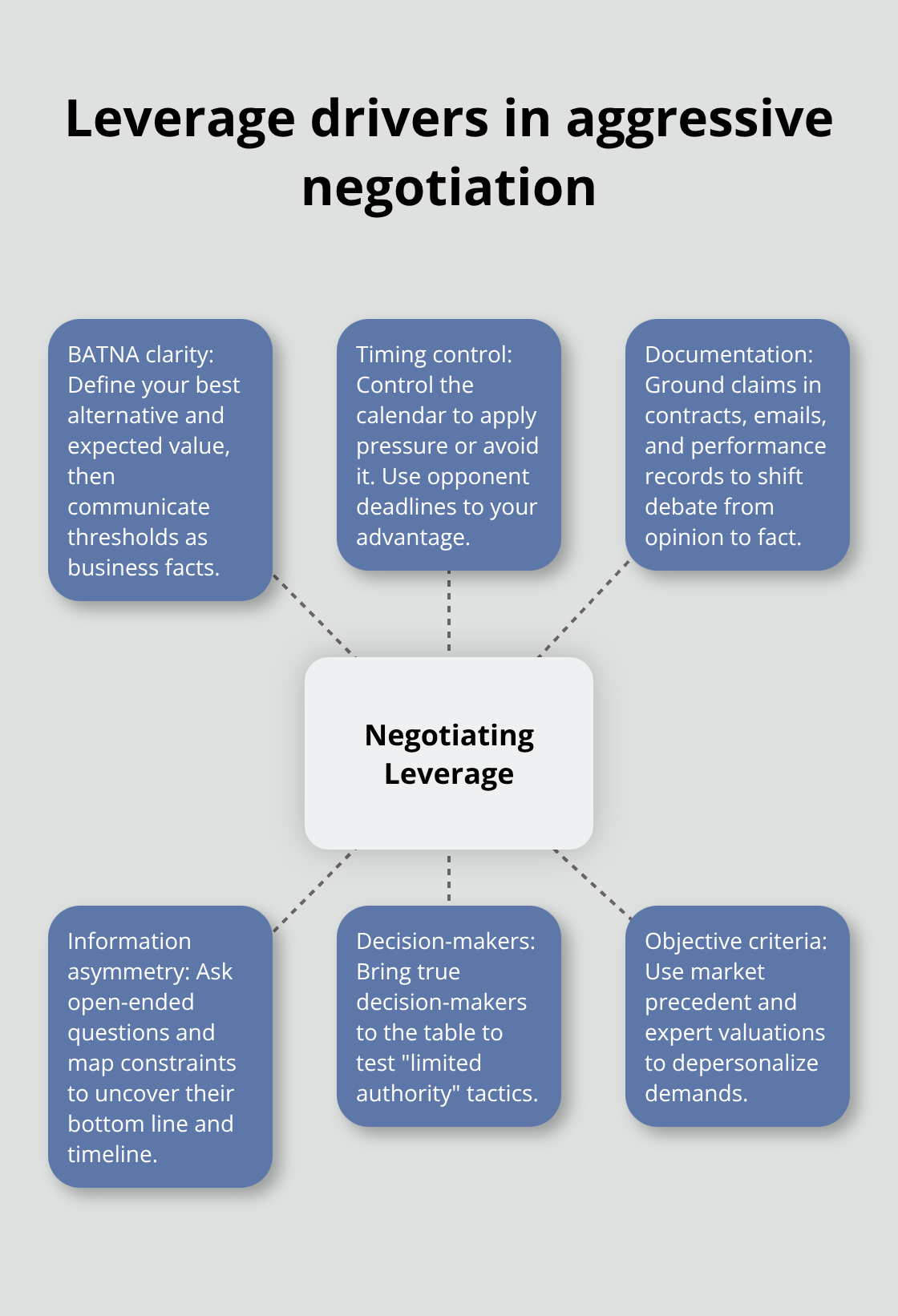
Information asymmetry works the same way. If they know your cash position is tight but you don’t know theirs, they’ll exploit that. If you obtain their financial statements through discovery and they don’t know you’ve reviewed them, you can ask pointed questions that reveal their actual constraints without tipping your hand.
Documentation as Your Foundation for Aggressive Negotiation in Orange County
Documentation anchors everything. A tech company facing a breach of contract claim documented every missed deadline, every email showing the vendor’s awareness of the problem, and every cost the vendor’s failure imposed. That documentation became the basis for demanding a 40 percent price reduction rather than accepting the vendor’s claim that minor delays shouldn’t affect payment. Courts and settlement negotiations alike defer to documented facts over assertions. You must build this foundation before aggressive negotiation begins. Collect emails, contracts, invoices, performance records, and communications that establish the other party’s knowledge and responsibility. This evidence transforms your position from opinion to fact. When you reference documented breaches, missed deadlines, or misrepresentations, the other side cannot dismiss your demands as arbitrary. They must either refute the documentation (which is difficult when records are clear) or negotiate within the reality those records establish.
Using Information Asymmetry to Shift Leverage in Orange County Disputes
Information asymmetry cuts both ways, and controlling what the other side knows determines negotiation outcomes. If they understand your business pressures and you underestimate theirs, that advantage shifts to them. If you understand their constraints and they underestimate yours, leverage moves to you. Open-ended questions reveal far more than assumptions. Ask what their constraints are, how this dispute affects their business, what would make this deal work for them. Their answers expose their actual bottom line, their timeline, and their alternatives. You then use that intelligence to position your demands strategically. If they reveal they need resolution by quarter-end, you know they’ll move faster as that date approaches. If they disclose cash flow pressure, you know they’ll accept terms that spread payments over time. This intelligence-combined with your own documented BATNA-creates genuine negotiating power. The party with better information and a credible alternative always holds leverage. Without that insight, you’re just posturing, and the other side will call your bluff. Understanding not just the legal issues but the financial and operational realities driving each side’s behavior determines whether aggressive negotiation will work and where it will break down. This foundation positions you to move into the next phase: recognizing when the other side deploys hardball tactics and responding with equal firmness.
How Orange County Companies Sabotage Their Own Negotiating Position
The most damaging mistakes in Orange County dispute negotiations happen before the first formal offer lands on the table. Companies signal weakness through their behavior, their communication patterns, and their failure to understand what the other party actually needs.
Early Concessions That Destroy Your Negotiating Room
One common error is offering ground early to appear reasonable or cooperative. A manufacturing company facing a contract dispute offered a 15 percent price reduction in their opening response, thinking it demonstrated good faith. The other party treated it as evidence of weakness and immediately demanded 40 percent. The manufacturer had no room to negotiate upward without appearing inconsistent, so they settled at 30 percent when they could have held at 20 percent with proper preparation. That early concession cost hundreds of thousands of dollars.
The problem runs deeper than one bad move. When you concede first, you establish a pattern. The other side expects you to move again and again. They anchor their demands high, knowing you’ll work downward from there. You lose control of the negotiation the moment you signal you’ll accept less than your actual bottom line.
Failing to Identify What the Other Side Actually Values
Companies also fail to gather intelligence about what the other side actually values. They assume the dispute centers on money when the real driver might be timeline, relationship preservation, or fear of precedent. A real estate developer involved in a boundary dispute assumed the neighboring property owner wanted cash compensation. After discovery, it emerged the neighbor feared the developer would build structures blocking their view. The dispute resolved quickly once the developer offered to modify the design and obtained the neighbor’s written approval on view lines. Neither party needed to spend another dime on litigation.
The developer had wasted months and legal fees pursuing the wrong solution because they never asked what actually mattered. Open-ended questions reveal far more than assumptions. Ask what their constraints are, how this dispute affects their business, what would make this deal work for them. Their answers expose their actual bottom line, their timeline, and their alternatives. You then position your demands strategically based on that intelligence.
Walking Into Negotiations Without Understanding Your Own Position
The third critical mistake is walking into negotiations without a genuine understanding of your own BATNA or your opponent’s constraints. Companies often claim they will litigate if settlement talks fail, but they haven’t actually calculated whether litigation makes financial sense. If your claim is worth $200,000 but litigation will cost $120,000 and take two years, you know any settlement above $200,000 is a loss. If the other party doesn’t know you’ve done this math, they’ll test whether you’re serious by refusing reasonable offers.
Preparation determines whether aggressive negotiation works or collapses. Over 80 percent of outcomes are determined before talks begin. This means you must document everything that supports your position, understand the other party’s financial and operational constraints, identify their deadline pressures, and map what settlement terms actually make business sense for both sides.
How Documentation Transforms Weak Positions Into Strong Ones
A software company facing a vendor dispute spent three weeks gathering performance data, cost analyses, and comparable market rates before sitting down to negotiate. When they presented a 35 percent fee reduction backed by documented service failures and market comparables, the vendor had no credible response. The negotiation lasted two hours. A company that skips this preparation and shows up with assertions instead of evidence signals they haven’t thought through their position. The other side exploits that uncertainty immediately.
Documentation anchors everything. Collect emails, contracts, invoices, performance records, and communications that establish the other party’s knowledge and responsibility. This evidence transforms your position from opinion to fact.
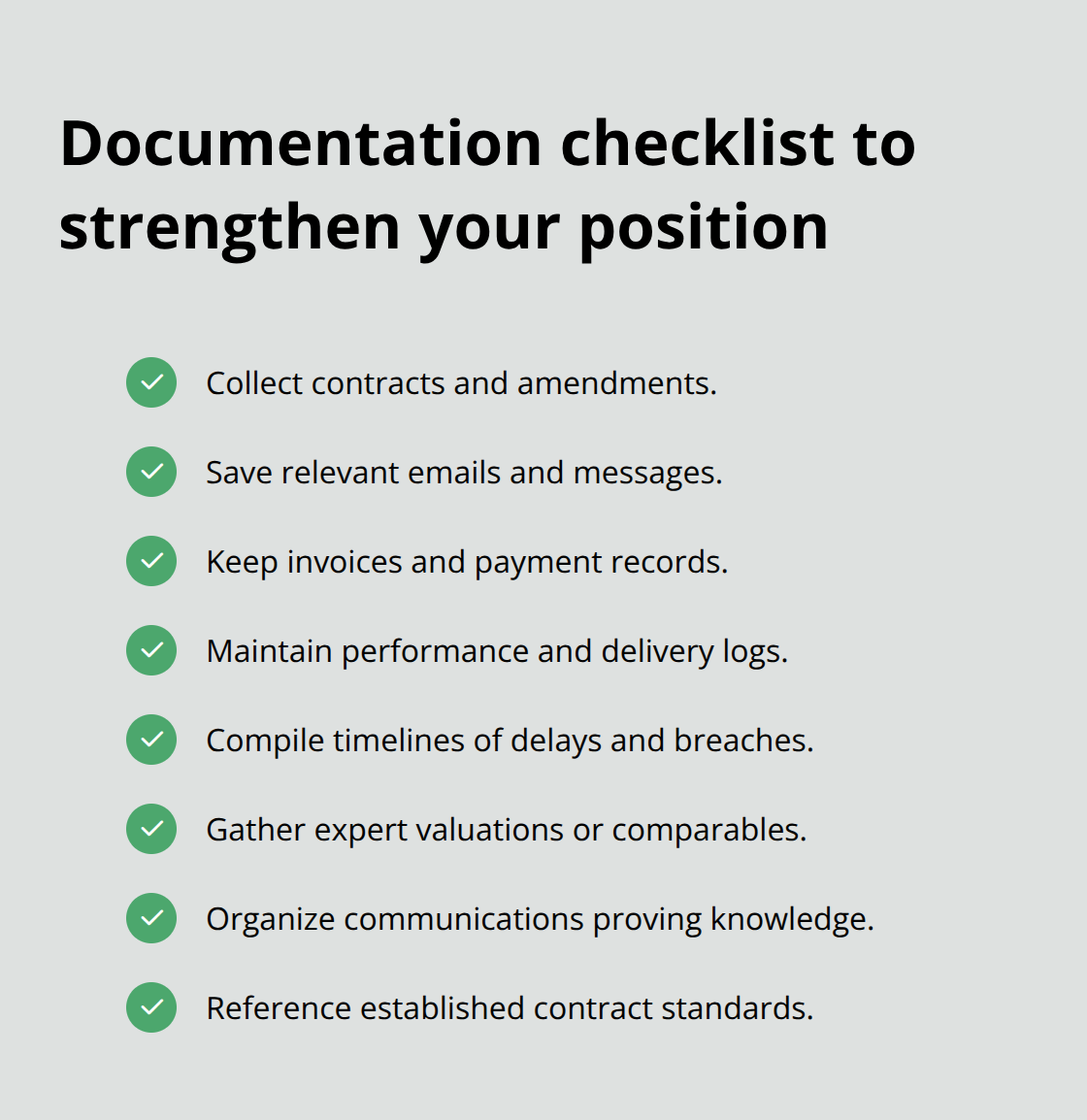
When you reference documented breaches, missed deadlines, or misrepresentations, the other side cannot dismiss your demands as arbitrary. They must either refute the documentation (which is difficult when records are clear) or negotiate within the reality those records establish.
Final Thoughts on Aggressive Negotiation Litigation in Orange County
Aggressive negotiation litigation works when you’ve done the groundwork and fails when you’re bluffing. The difference between success and disaster comes down to whether you’ve genuinely calculated your BATNA, documented your position, and understood what the other side actually values. Companies that walk into negotiations without this foundation get punished, while those that prepare thoroughly and signal strength backed by evidence shift outcomes dramatically in their favor.
The real risk isn’t being too aggressive-it’s being aggressive without credibility. When you make demands you can’t support with documentation or analysis, the other side calls your bluff and negotiations collapse. When you make the same demands backed by cost analyses, market comparables, and clear evidence of the other party’s breach or misrepresentation, they move. Timing amplifies this effect, as a party facing a fiscal year-end deadline or a financing contingency will concede faster than one with flexibility. You must identify these constraints early and use them strategically without appearing desperate about your own timeline.
Civility matters more than most aggressive negotiators realize, since courts sanction unconstrained aggression and judges notice when one party pursues revenge rather than resolution. Strategic assertiveness backed by evidence and focused on your actual financial interests wins more cases than scorched-earth tactics. We at Raul Garcia Law Firm help Orange County businesses navigate this balance by combining aggressive negotiation strategy with practical business insight to protect your financial interests and minimize operational disruption.