

Tenant eviction disputes in Orange County can spiral quickly without proper planning and legal knowledge. Property owners who understand California’s eviction laws avoid costly mistakes and protect their investments effectively.
We at Raul Garcia Law Firm help landlords navigate lease disputes with confidence. This guide covers the legal framework, common conflicts, and proven strategies for managing eviction situations successfully.
Understanding Tenant Eviction Laws in Orange County
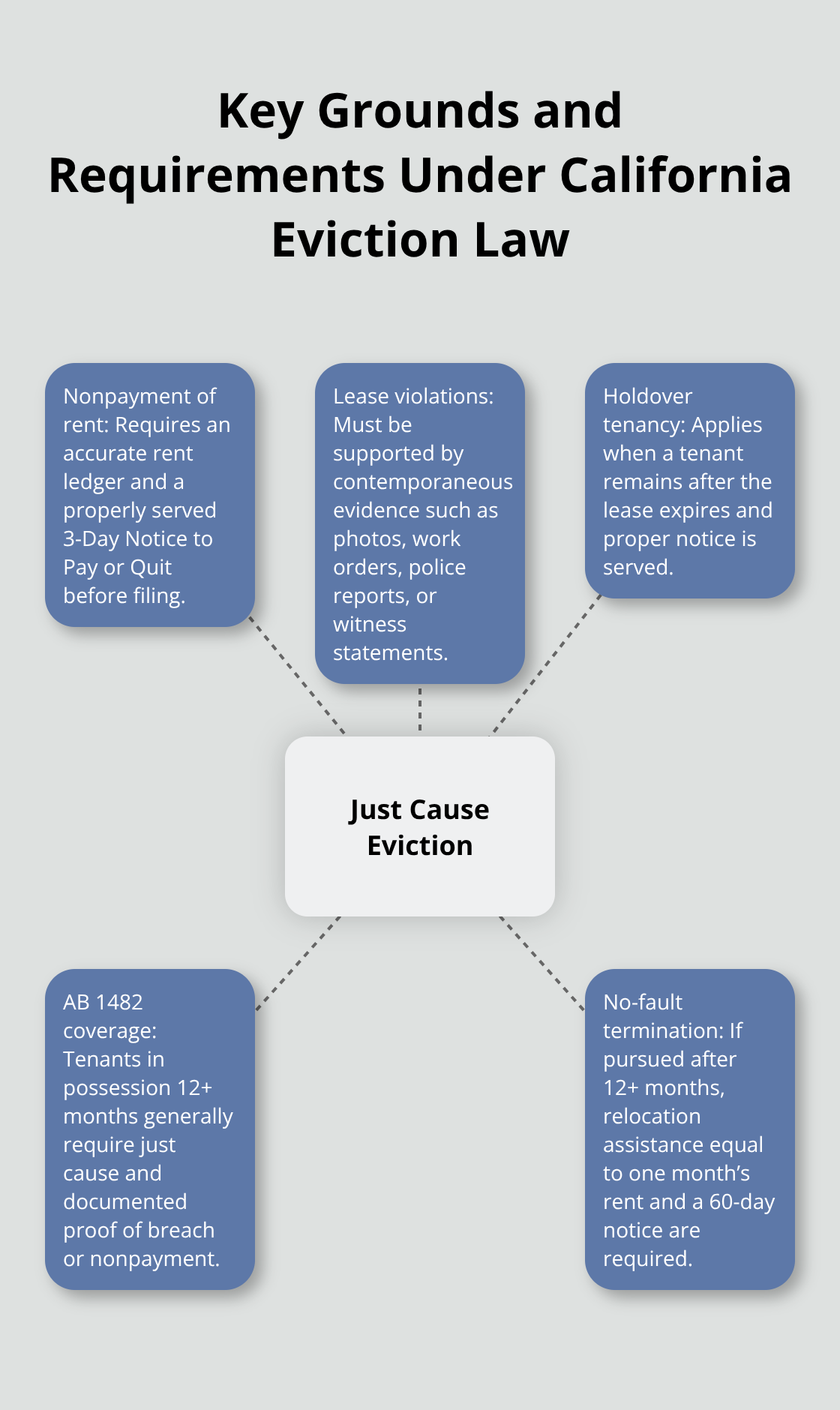
California law restricts eviction to specific circumstances, and Orange County courts enforce these restrictions strictly. You cannot evict simply because you want new tenants or prefer different lease terms. The law recognizes three primary grounds: nonpayment of rent, lease violations, and holdover situations where tenants remain after the lease expires. AB 1482, California’s Tenant Protection Act, added another layer by requiring just cause for any eviction of tenants who have occupied the property for 12 months or longer. This means most residential evictions in Orange County now demand documented proof that the tenant breached the lease or failed to pay. If your tenant has lived there over a year and you want to terminate without cause, you must provide relocation assistance equal to one month’s rent and follow a 60-day notice period.
Legal Grounds for Eviction Under California Law
Nonpayment cases require precise documentation. You must track rent payments carefully, maintain ledgers showing what was paid and when, and issue a 3-Day Notice to Pay or Quit before filing with the court. One mathematical error in this notice, or a single mistake in the tenant’s address, triggers dismissal of your entire case. Lease violations cover everything from unauthorized occupants to property damage, repeated noise complaints, or illegal activity. However, for lease violations to succeed, you need contemporaneous evidence: maintenance work orders, photos with timestamps, police reports, or witness statements.
Habitability issues cut differently-tenants can claim uninhabitable conditions as a defense if you fail to maintain the property adequately. California requires landlords to provide safe, clean housing with functioning utilities, heating, and basic repairs completed within 24 to 48 hours. If a tenant stops paying rent and later argues the unit was uninhabitable, you lose even if they owed money.
Notice Requirements and Timelines
Orange County Superior Court enforces strict procedural timelines that determine how fast your case moves. After you serve the proper notice on the tenant, a specific waiting period must pass before you can file the unlawful detainer complaint. For a 3-Day Notice to Pay or Quit, the tenant gets exactly three calendar days to pay or vacate. For cure-or-quit notices addressing lease violations, tenants typically receive three days as well, though some violations may allow longer periods.
Once the notice period expires and the tenant has not complied, you file your unlawful detainer complaint at the Central Justice Center, located at 700 Civic Center Drive West in Santa Ana. The tenant then has five days to respond. If they respond, the court schedules a trial approximately 20 days after that response deadline. The entire process from filing to judgment typically takes 30 to 45 days if uncontested, though delays happen frequently.
Enforcement and Self-Help Restrictions
Only the Sheriff can physically remove a tenant after you win; you cannot lock the tenant out, remove their belongings, or shut off utilities yourself. Attempting self-help eviction violates California Civil Code Section 789.3 and exposes you to actual damages plus penalties. This means patience and strict adherence to procedure protect you legally and financially.
Tenant Protections and Rights in Orange County
Orange County and Newport Beach impose additional protections beyond state law that directly impact your eviction timeline and costs. Newport Beach Ordinance No. 2020-17 adds specific rules for short-term lodging and property management enforcement. Orange County Superior Court judges often interpret no-fault and just-cause eviction rules more strictly than the minimum state requirements, making local expertise essential. If you serve notice incorrectly or file at the wrong venue, the court may dismiss your case and force you to start over.
Tenants have the right to counsel, and many retain lawyers to challenge procedural errors or claim retaliation. Retaliation claims arise when you evict a tenant within six months after they report code violations, request repairs, or file complaints. Even if your eviction reason is legitimate, the timing makes it vulnerable. Security deposit limits under AB 12 cap deposits at one month’s rent for most properties, and you must return deposits within 21 calendar days with an itemized statement and receipts for any deductions over $125. Mandatory disclosures for bed bugs, flood hazards, lead-based paint in pre-1978 properties, and any deaths on the premises within three years must accompany the lease. Failure to disclose gives tenants grounds to terminate the lease or pursue damages.
These protections exist in law, but many landlords ignore them until a dispute surfaces. Understanding the specific rules that apply to your property prevents costly errors and positions you to handle disputes effectively. The next section examines the disputes that most frequently arise in lease agreements and how they develop into eviction cases.
Common Disputes in Lease Agreements
Nonpayment cases dominate Orange County eviction filings, and the math matters more than you think. A single miscalculation in your 3-Day Notice to Pay or Quit-whether late fees, prorations, or partial payments-gives tenants grounds to defeat your entire case. Landlords lose otherwise solid cases because they included an incorrect balance or failed to account for a rent payment received two days before notice service. Track every payment in writing, use timestamped digital records, and calculate the exact amount owed before drafting your notice. If a tenant paid $500 of $2,000 rent, your notice must reflect $1,500 plus any applicable late fees specified in the lease. Orange County Superior Court judges examine these figures closely, and ambiguity works against you.
Non-Payment of Rent and Fee Disputes
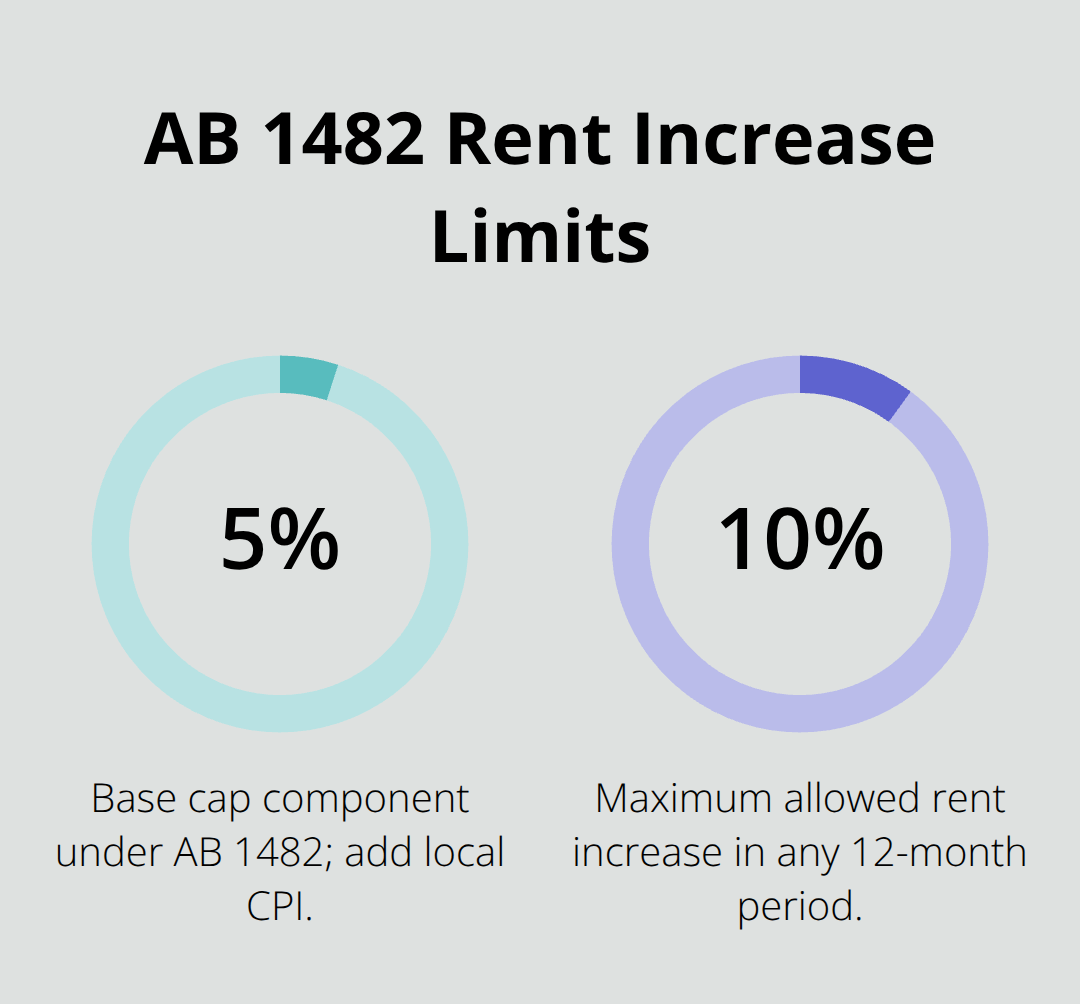
Beyond nonpayment, fee disputes arise when landlords charge undisclosed late fees, insufficient notice before rent increases, or fees that violate AB 1482 limits. AB 1482 caps rent increases at 5% plus local Consumer Price Index or 10% maximum in any 12-month period, whichever is lower. If you raised rent beyond this threshold, a tenant can challenge the entire increase and potentially withhold rent. Document your rent increase notices in writing at least 30 days before the increase takes effect, and verify compliance with both state and local Orange County rules before implementation.
Rent payment disputes often stem from misunderstandings about what rent actually includes, making clear communication essential.
Lease Violations and Property Damage Claims
Lease violations require evidence that holds up in court, not assumptions or complaints. Unauthorized occupants, repeated noise violations, or illegal activity demand contemporaneous documentation: timestamped photos, maintenance work orders showing when you discovered the violation, police reports if applicable, and written notices to the tenant describing the specific breach. If you claim a tenant damaged the unit, provide repair invoices, before-and-after photos, and contractor estimates. This documentation creates a record that judges trust and tenants cannot easily challenge.
Habitability Issues and Maintenance Disagreements
Habitability disputes cut the other direction: if your property lacks functioning heat, has mold, broken plumbing, or pest infestations, tenants can withhold rent or claim uninhabitable conditions as a defense in court. California law requires repairs within 24 to 48 hours for emergency issues like no hot water or non-functioning toilets. Create a digital maintenance protocol with timestamped work orders, photograph completed repairs, and maintain receipts. Biannual property inspections with photo evidence protect you against claims you ignored maintenance requests. If a tenant reports a repair need, respond within 24 hours with a scheduled appointment or written explanation. This trail of responsiveness defeats habitability claims and strengthens your position if the tenant later stops paying rent and claims the unit was uninhabitable.
These disputes-nonpayment, lease violations, and maintenance conflicts-form the foundation of most eviction cases. How you document and respond to each one determines whether you control the narrative in court or find yourself defending against tenant counterarguments. The next section examines the strategic approaches that separate landlords who win from those who face costly delays and dismissals.
Strategic Approaches to Resolving Eviction Disputes
Documentation Separates Winners from Losers
Documentation separates landlords who win from those who lose in Orange County eviction cases. Start collecting evidence the moment you suspect a problem, not when you file suit. For nonpayment disputes, maintain a digital rent ledger showing payment dates, amounts received, and any partial payments. Include bank statements, cancelled checks, and screenshots of online payments timestamped with the transaction date. If you accepted a partial payment, document whether you waived late fees or reserved your right to collect the remainder.
Orange County Superior Court judges scrutinize rent calculations ruthlessly because one error invalidates your entire 3-Day Notice to Pay or Quit. When calculating what the tenant owes, separate base rent from late fees, utilities, or other charges. Write down your math step-by-step so the judge sees exactly how you arrived at the final amount.
Evidence That Holds Up in Court
For lease violations, photograph damage or unauthorized conditions immediately with timestamps embedded in the image file. Take photos from multiple angles, include wide shots showing the unit context, and close-ups of specific damage. If you discover mold, pest infestations, or structural issues, hire a licensed inspector and obtain a written report. Store all photos, inspection reports, and maintenance work orders in a cloud-based system accessible during depositions or trial.
Police reports strengthen your case if tenants engaged in illegal activity. Request incident reports from Orange County Sheriff or local police departments and include them in your file. Text messages, emails, and written notices to tenants about violations create a paper trail showing you warned them before filing. Save every communication, even casual texts, because courts accept digital messages as evidence.
Settlement and Cash-for-Keys Strategies
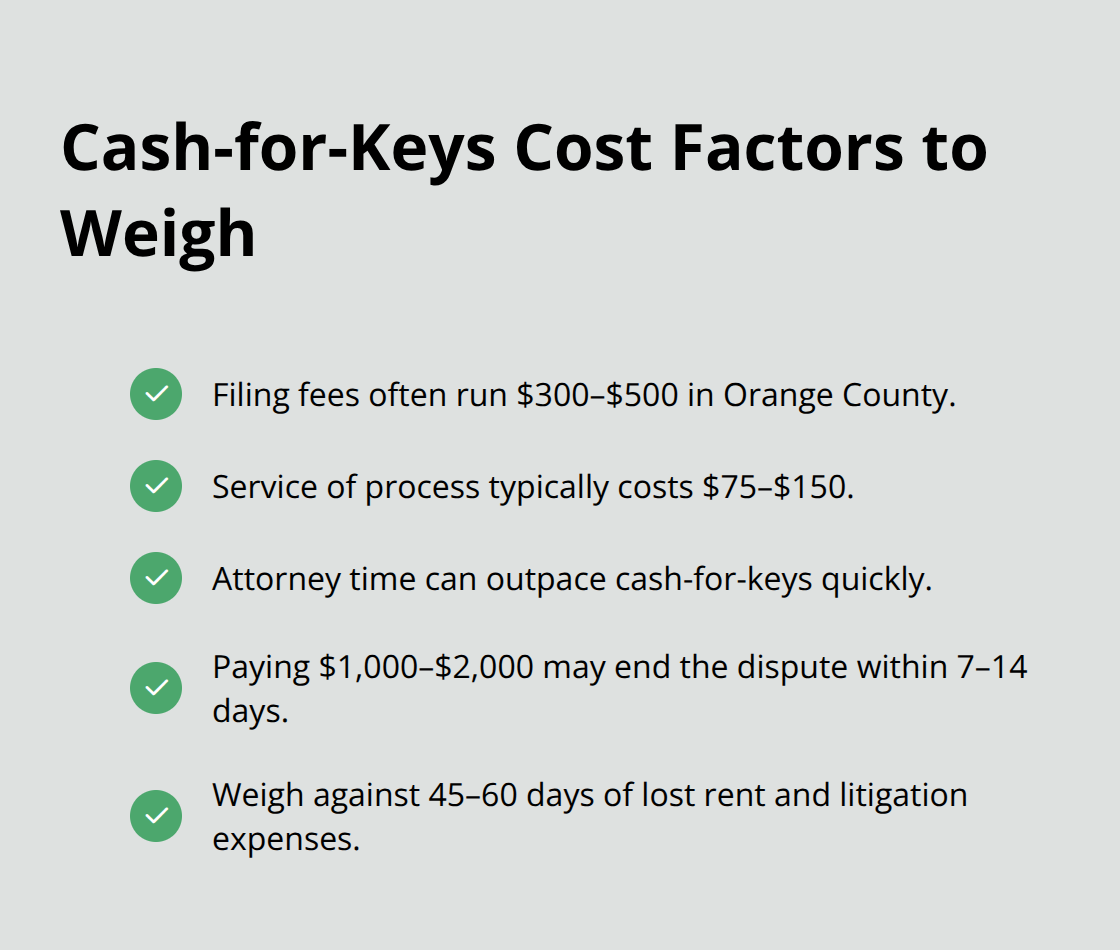
Settlement often resolves disputes faster and cheaper than trial, but negotiation requires strategy. Offer cash-for-keys arrangements where you pay the tenant a modest amount to vacate within a specified timeframe, typically 7 to 14 days. This approach costs less than a full eviction, eliminates court delays, and gets the unit back faster for re-renting.
Calculate the total cost: court filing fees in Orange County average $300 to $500, service of process costs $75 to $150, and attorney time compounds quickly. If you can resolve the dispute for $1,000 to $2,000 in cash-for-keys, compare that against 45 to 60 days of lost rent plus litigation expenses. The math often favors settlement over protracted court battles.
Courtroom Preparation and Presentation
When litigation becomes necessary, prepare aggressively. Organize your evidence chronologically so the judge follows your narrative without confusion. Create a one-page summary showing the lease term, violation dates, notices served, and tenant responses. Bring originals of signed leases, notices, and payment records to court. Dress professionally and speak clearly when testifying; judges make credibility judgments based on your presentation.
If the tenant contests the case, expect them to raise habitability claims, retaliation arguments, or procedural errors. Counter these defenses by documenting your maintenance response times, showing biannual property inspections with photos, and proving you treated other tenants consistently. After you obtain judgment, coordinate with the Orange County Sheriff’s office to issue a writ of possession. The Sheriff enforces the writ, and tenants who refuse to vacate face forced removal. This final step typically occurs 5 to 10 days after judgment, giving tenants a last chance to move voluntarily.
Final Thoughts
Tenant eviction disputes in Orange County demand discipline, documentation, and strict adherence to California’s procedural rules. Property owners who treat lease management as an ongoing process rather than a reactive scramble build the evidence trail that protects their investments and wins cases. Start documenting lease terms, payments, maintenance requests, and tenant communications from day one so you have overwhelming proof if litigation becomes necessary.
Orange County courts enforce tenant protections strictly, and judges penalize landlords who cut corners on procedure or ignore maintenance obligations. Retaliation claims, habitability defenses, and procedural errors derail otherwise legitimate evictions, so understanding these risks helps you avoid costly mistakes. When tenant eviction disputes escalate beyond your expertise, professional legal representation becomes essential to navigate the complexity and protect your financial interests.
We at Raul Garcia Law Firm represent property owners in complex landlord-tenant disputes across Orange County, handling everything from lease drafting and notice preparation through trial and enforcement. Our team combines practical business insight with aggressive negotiation and courtroom representation to minimize operational disruption while ensuring compliance with state and local rules. Contact us to discuss your specific situation and develop a strategy tailored to your property and goals.