

Orange County landlord disputes can escalate quickly without proper handling. Whether you’re dealing with eviction issues, maintenance claims, or security deposit disagreements, knowing your options makes a real difference.
We at Raul Garcia Law Firm help landlords navigate these conflicts from the first conversation through courtroom resolution. This guide walks you through negotiation strategies, mediation options, and litigation procedures specific to Orange County.
What Disputes Cost Orange County Landlords Most
Rent Nonpayment: The Financial Drain
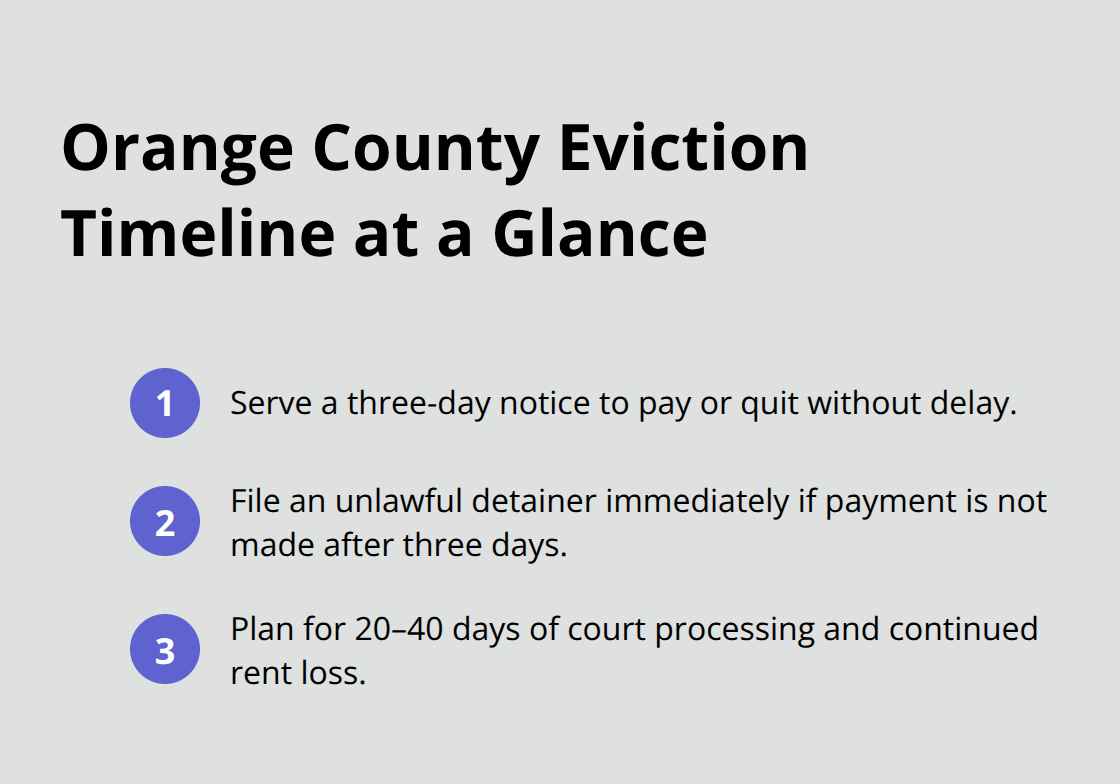
Rent nonpayment remains the leading reason landlords file eviction cases in Orange County, accounting for the majority of unlawful detainer filings each year. When a tenant stops paying, the financial clock starts ticking immediately-you lose rental income while legal costs mount. A three-day notice to pay or quit serves as your first formal step, but many landlords wait too long before issuing it, hoping the tenant will catch up. The reality is harsher: delay only extends your losses. If the tenant does not pay within three days, you must file an unlawful detainer action in Orange County Superior Court. Court processing typically takes 20 to 40 days depending on case complexity and court backlogs, meaning you could lose two months of rent before regaining possession.
Habitability Claims: Your Maintenance Obligations
Property maintenance and habitability disputes hit differently. California Civil Code Section 1941.1 requires landlords to maintain working plumbing, heating, electrical systems, waterproofing, pest control, and secure doors and windows. Tenants have powerful tools: they can withhold rent, repair and deduct costs themselves, or file habitability counterclaims in eviction proceedings. The Green v. Superior Court decision from 1974 established that tenants can raise habitability as a defense even in nonpayment cases, and courts still apply this standard today. This means a tenant facing eviction for unpaid rent can argue the unit was uninhabitable during that period, reducing what they owe you. Document every maintenance request and repair completion in writing-photos and timestamps matter enormously if the case reaches court.
Security Deposit Disputes: Prevention Through Documentation
Security deposit disputes are surprisingly common and entirely preventable with proper procedure. California law requires landlords to return deposits within 15 days of vacating if there is no claim, or provide written notice of claimed deductions within 30 days by certified mail. Many landlords miss these deadlines or fail to itemize deductions clearly, exposing themselves to liability. Deductions for unpaid rent, damage beyond normal wear and tear, and cleaning are permitted, but deductions for normal aging or minor carpet wear are not. Conduct a detailed move-in inspection with the tenant present, document conditions with photos and a signed checklist, and repeat the process at move-out. This documentation transforms a deposit dispute from he-said-she-said into verifiable fact.
Why These Three Disputes Matter Most
These three dispute categories-nonpayment, habitability, and deposits-account for the vast majority of Orange County landlord-tenant conflicts. Each one follows specific legal requirements that, when followed correctly, give you a strong position. When followed carelessly, they become your liability. Understanding how tenants exploit these areas (and how to protect yourself) separates landlords who recover losses from those who face mounting legal bills and prolonged vacancies.
Resolve Disputes Before Court Drains Your Time and Money
Why Court Proceedings Cost More Than You Expect
The moment a tenant stops paying or a maintenance complaint surfaces, your instinct might be to file paperwork and let the courts handle it. That instinct costs you money. Orange County Superior Court processes take 20 to 40 days minimum for eviction cases, and that timeline only covers the basics. Add counterclaims, habitability defenses, or procedural delays, and you face months of lost rent, mounting legal bills, and property sitting vacant. The smarter move addresses conflicts head-on through structured negotiation and documentation before litigation becomes necessary.
Document Everything From Day One
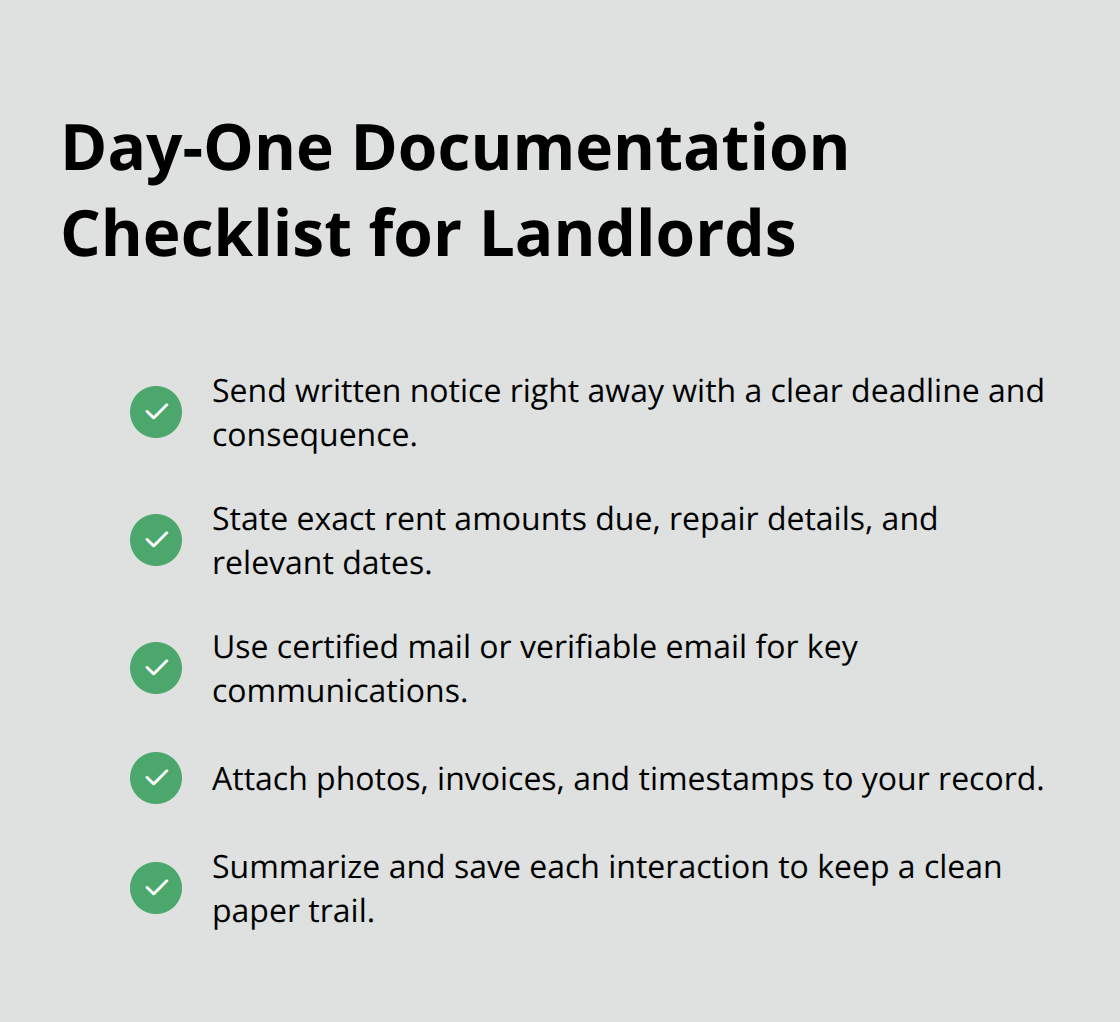
Start by sending written communication the moment a problem emerges. A simple email or certified letter stating the issue, the deadline for resolution, and the consequence of inaction creates a paper trail that protects you in two ways: it demonstrates good faith if mediation or court proceedings follow, and it often prompts quick resolution because tenants realize you’re serious. Include specific details-the exact rent amount due, the repair needed with dates requested, or the security deposit claim with itemized deductions. Vague communication invites disputes; precise communication prevents them. Many landlords skip this step and jump straight to legal action, which is expensive and slow.
California law actually favors documented negotiation: courts examine whether parties attempted resolution before filing, and judges respect landlords who can prove they tried.
Understand Tenant Rights to Strengthen Your Position
Understanding what rights tenants have in Orange County transforms your negotiating position from defensive to strategic. Tenants can invoke California Civil Code Section 1941.1 habitability standards, raise them as counterclaims in eviction cases, and potentially reduce what they owe you if conditions were substandard during the nonpayment period. They can also file complaints with Orange County’s Non-Emergency Help & Info line at 311 or (407) 836-3111, which triggers code enforcement inspections that create additional pressure and delays. Knowing these tools exist means you can anticipate tenant responses and address maintenance issues proactively rather than reactively. If a tenant raises a legitimate habitability concern during negotiations, fixing it immediately removes their strongest defense and often resolves the entire dispute. If the concern is unfounded, your documentation of prior repairs and maintenance proves it.
Why Mediation Outperforms Litigation
Mediation before litigation makes financial sense: court costs, attorney fees, and lost rental income during prolonged cases often exceed what you’d concede in a negotiated settlement. Mediation in Orange County typically takes weeks, not months, and confidentiality protections mean disputes stay private-unlike court records, which are public. If you and the tenant reach a written agreement through mediation, that agreement is binding and avoids trial risk entirely. Mediation works particularly well in habitability disputes where tenant defenses are strongest and litigation costs spike fastest.
Moving Forward With Legal Guidance
The path from negotiation to resolution requires strategic decisions at each stage. Knowing when to push forward with mediation, when to adjust your position, and when to prepare for court separates landlords who recover losses from those who face mounting expenses and prolonged vacancies. Professional guidance at this stage helps you avoid costly missteps and positions you for the best possible outcome, whether that outcome involves settlement or courtroom proceedings.
When Should You File an Unlawful Detainer Action
Filing an unlawful detainer action in Orange County Superior Court is a formal step that ends negotiation and starts the clock on court proceedings. The timing of this decision matters enormously because once you file, you cannot pause or settle without court approval, and the process consumes time and money regardless of outcome. You file an unlawful detainer when a tenant has not paid rent within three days of receiving a formal three-day notice to pay or quit, or when they have breached a material lease term and failed to cure it after written notice. Orange County Superior Court processes these cases on an expedited track, but expedited does not mean fast: expect 20 to 40 days minimum from filing to judgment, longer if the tenant raises counterclaims or the court calendar backs up. The unlawful detainer form itself must comply strictly with California Code of Civil Procedure requirements, and any procedural error gives the tenant grounds to dismiss your case and restart the clock. This is why many landlords file incorrectly and lose months in the process. Your three-day notice must be served properly, your complaint must allege specific facts about the tenancy and the breach, and your proof of service must be documented precisely. Courts in Orange County reject filings that lack proper service documentation or contain vague allegations about lease violations. If you pursue eviction for nonpayment, your complaint must state the exact rent amount owed, the dates it was due, and proof that the tenant received formal notice before you filed. If you pursue eviction for lease breach, you must specify which lease term was violated and when, and prove that you gave the tenant written notice and a reasonable opportunity to cure.
Anticipate and Counter Tenant Defenses
Tenant counterclaims require you to anticipate what defenses tenants will raise and prepare responses before trial. Habitability counterclaims are the most common and most dangerous because they directly reduce what tenants owe you, and judges take them seriously under California Civil Code Section 1941.1. A tenant can claim the unit lacked working plumbing, heating, electrical systems, pest control, or secure locks during the period they owe rent, and if a judge believes that claim, you recover only the difference between fair market rent and the reduced rental value of the uninhabitable unit. This can eliminate your entire claim. Documentation defeats a habitability counterclaim: repair logs, maintenance records, photos from inspections, and written communication showing you addressed issues promptly all protect your position. If a tenant reported a maintenance problem in writing and you fixed it within days, you have a strong defense. If you ignored requests or delayed repairs for weeks, you lose.
Tenants also raise retaliatory conduct counterclaims under California Civil Code Section 1942.5, claiming you evicted them in retaliation for filing complaints or requesting repairs. This defense is powerful because judges presume retaliation if you filed an eviction within 180 days of the tenant complaining to a code enforcement agency or requesting repairs in writing. You must prove the eviction was based solely on nonpayment or legitimate lease violation, not retaliation. Keep detailed records showing the tenant’s payment history and any lease breaches unrelated to their complaints.
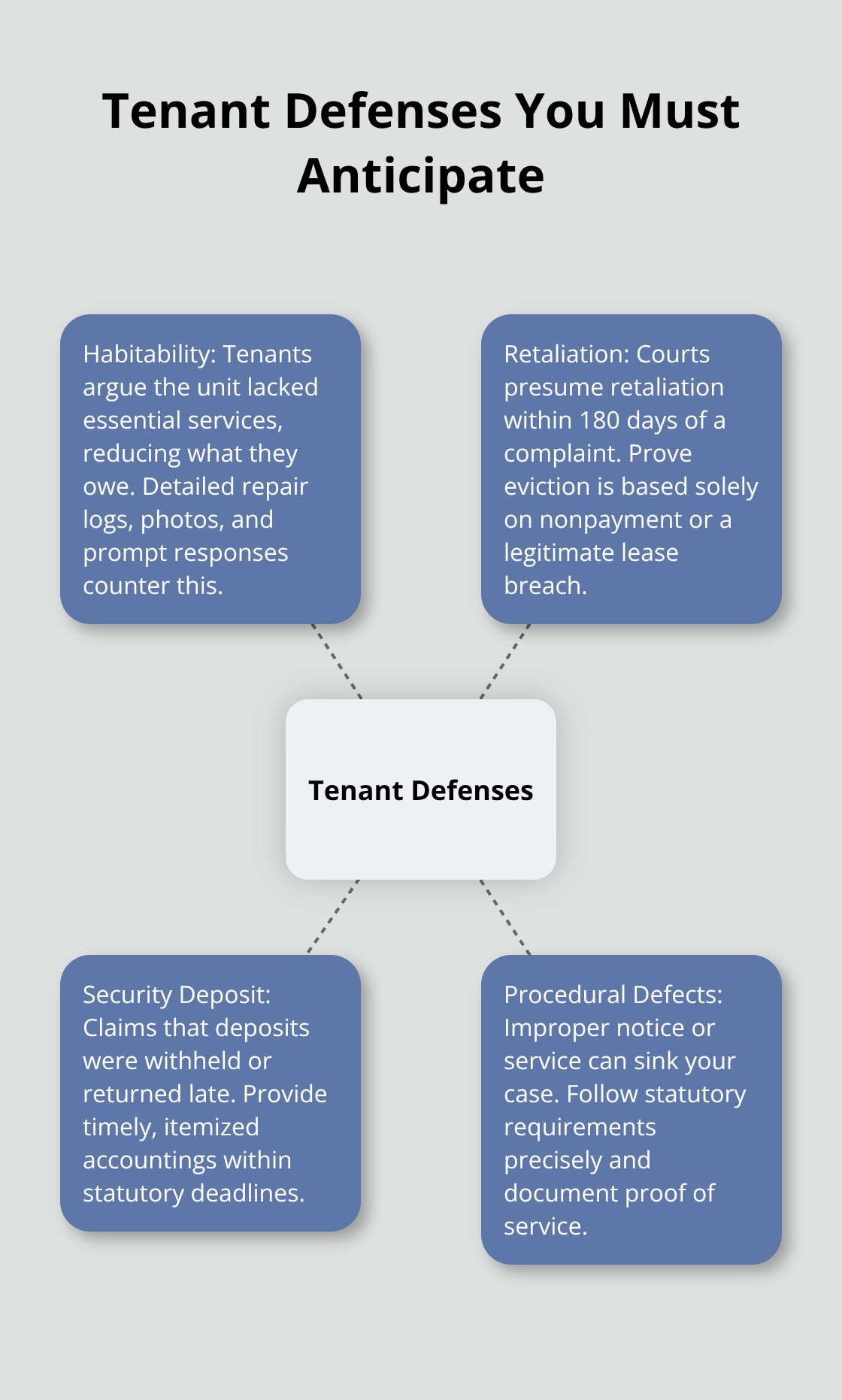
Security deposit claims also appear as counterclaims, where tenants argue you wrongfully withheld deposits or failed to return them within required timelines. If you did not provide a written itemized accounting within 30 days of vacating, or if you failed to return deposits within 15 days when no claim was made, the tenant wins this counterclaim automatically. Orange County courts enforce these timelines strictly because they are statutory requirements, not suggestions.
Navigate Orange County Court Procedures
Orange County Superior Court handles unlawful detainer cases on a priority calendar, meaning they move faster than other civil cases, but faster is relative. After you file, the court assigns a case number and schedules a trial date typically 20 to 30 days out, depending on court availability. The tenant has the right to file a response within five days of service, and if they do, the court will not grant a default judgment. Most tenants file responses, which means you will face trial unless you settle beforehand. At trial, you present evidence of the lease violation or nonpayment, and the tenant presents their defenses. The judge then issues a judgment, which takes a few days to process. If you win, you receive a judgment for possession and any unpaid rent, but you still must wait for the tenant to vacate voluntarily or file a writ of execution to have the sheriff remove them. That process adds another 5 to 10 days.
Calculate the True Cost of Litigation
The entire timeline from three-day notice to physical possession typically runs 45 to 60 days in Orange County, sometimes longer if the tenant requests a jury trial or if court delays occur. During this entire period, you receive no rent and must cover property taxes, insurance, and maintenance costs. Tenants know this timeline and use it strategically: they file responses, raise counterclaims, and delay proceedings hoping you will settle for less than owed. Strategic settlement during this window often makes financial sense because continuing to trial costs attorney fees, court costs, and lost rental income that can exceed what you would concede in a negotiated judgment. Filing the unlawful detainer immediately once rent becomes 5 or more days late, rather than negotiating endlessly, protects your financial position because every week of delay costs money you cannot recover.
Final Thoughts
Documentation and early communication prevent Orange County landlord disputes from escalating into costly litigation. A written three-day notice, repair logs, move-in and move-out checklists with photos, and itemized security deposit accounting transform your negotiating position and strengthen your courtroom evidence. Tenants exploit landlords who skip these steps, and courts penalize those who cannot prove they followed procedure.
Mediation before litigation saves money in nearly every scenario because Orange County Superior Court processes take 45 to 60 days minimum, and that timeline assumes no counterclaims or delays. Habitability defenses and retaliatory conduct claims extend timelines further, leaving your property vacant and your legal bills mounting. A structured mediation process resolves most disputes in weeks, keeps the matter confidential, and produces a binding written agreement that avoids trial risk entirely.
Professional legal guidance at each decision point separates landlords who minimize losses from those who compound them. We at Raul Garcia Law Firm represent landlords and owners in complex Orange County landlord disputes and real estate litigation, combining strategic negotiation with aggressive courtroom advocacy to protect your financial interests. Contact us to discuss your situation and develop a resolution strategy tailored to your specific circumstances.